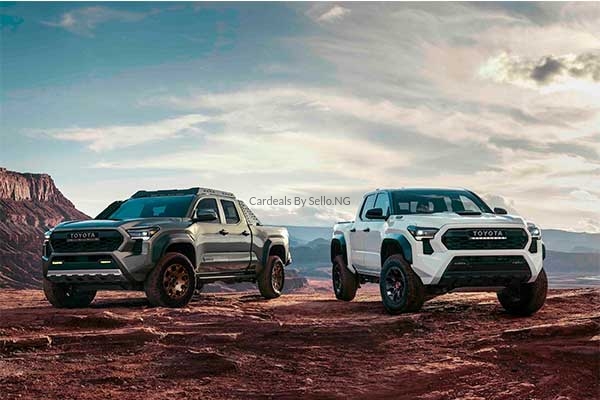
Toyota is weighing new vehicle production at its Texas plant as part of a strategy to overhaul U.S. operations under incoming regional leadership.
The Japanese automaker is investing $3.6 billion to expand its San Antonio facility, with plans to transition production of the Tacoma midsize pickup from Mexico to the United States by 2030. This strategic shift comes in response to new tariffs imposed by the Trump administration, which have significantly impacted the automaker’s bottom line; Toyota currently projects that these levies will cost the company approximately $7 billion this fiscal year.
Toyota is expanding its San Antonio plant to add 150,000 units of annual capacity, with CFO Yoichi Miyazaki citing the flexibility of body-on-frame production. This aligns with industry shifts, such as Nissan retooling its Mississippi facility to support a new lineup including the 2028 Xterra, next-gen Frontier, and upcoming Infiniti models.
Amidst competition from Hyundai’s upcoming truck and SUV platforms and the revival of the Ram Dakota, Toyota must strengthen its North American strategy. Despite recent losses from tariffs and product launches, the company is seeing a positive trend, with quarterly deficits cut by more than half compared to last year.
Toyota Has A New Boss For North America
Mark Templin will become CEO of Toyota Motor North America on January 1, 2027, succeeding Ted Ogawa. Templin, currently COO, has been with Toyota since 1990. Ogawa will serve as an advisor until March 31, 2027, before returning to Japan as a senior fellow.
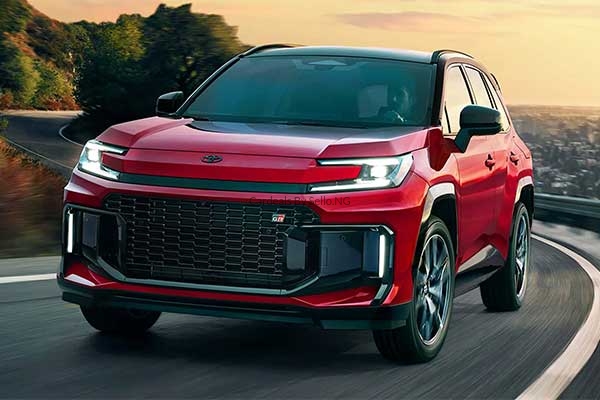
Toyota reported a $121 million deficit in North America for the most recent quarter. Incoming CEO Mark Templin is tasked with restoring regional profitability, a transition supported by the strategic launch of the new RAV4, which is now offered exclusively as a hybrid or plug-in hybrid model.
Like most automakers, Toyota is looking to North America to offset continued losses in China, the world’s largest market and one beset with too much competition and capacity, resulting in price wars and a push to export. Toyota and Lexus sales in China were down 25 percent in the quarter ending in September.
-
Also Read: Toyota Is Preparing It’s First Ever Extended-Range EV For The Chinese Market


Discussion
0 CommentsShare your thoughts — every perspective adds value.