Piped-in engine sounds have become standard to counter noise regulations and cabin insulation, which reduce natural engine feedback. While quietness is ideal for luxury cars, it diminishes the experience in sports cars, making simulated acoustics necessary for drivers.
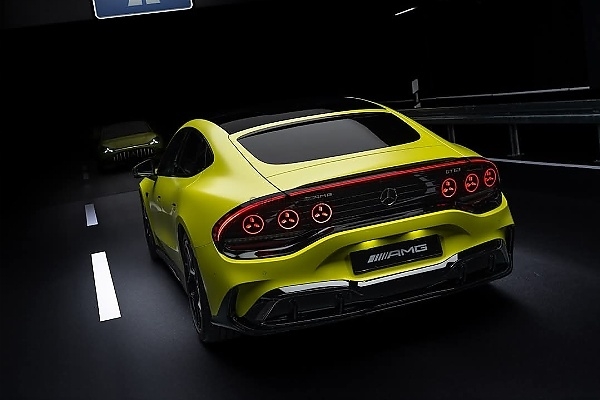
The rise of performance electric vehicles (EVs) has introduced a unique juxtaposition of high speed and near-silence. While some enthusiasts appreciate this tranquillity, others find the lack of acoustic feedback underwhelming. Consequently, many performance EV manufacturers are striving to replicate the characteristics of internal combustion engines. Notable examples include the Hyundai Ioniq 5 N, which features a simulated manual transmission, and the new-generation Mercedes-AMG GT 4-Door, which incorporates sophisticated auditory systems to emulate traditional engine performance.
AMG revealed to CarExpert that simulating the electric GT 4-Door’s V8 sound required over 1,600 spliced and looped audio files from the AMG GT R. To ensure authenticity, the team meticulously captured specific RPM levels, gear shifts, and exhaust pops to create an immersive, high-performance auditory experience.
The GT53 uses six-cylinder audio likely sourced from the E53 e-Performance. Beyond sound, AMG replicates the combustion experience with haptic seat vibrations and a simulated 9-speed transmission that allows manual shifting via steering wheel paddles in Sport+ mode.
Should you find the auditory output excessive, you may revert to standard driving modes, allowing the GT 4-Door to transition into a quiet electric cruiser. Regardless of your personal aesthetic preference, the vehicle incorporates a significant degree of sophisticated engineering.



-
See More: Mercedes Claims That SUV Coupe Models Are Here To Stay


Discussion
0 CommentsShare your thoughts — every perspective adds value.