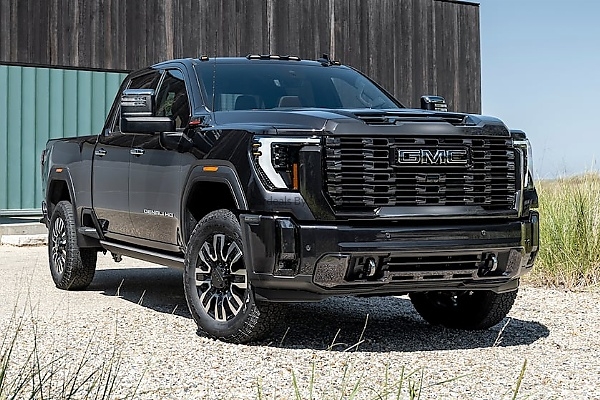
Average new vehicle prices in the U.S. hit a record $51,109 this October, marking a 1.3% increase from September and a 2.1% rise year-over-year, according to Kelley Blue Book.
This record-breaking benchmark surpasses prior pricing projections that had caused significant consumer concern only a few months ago. Although vehicle inflation rates remain below long-term historical averages, the substantial increase in transaction costs underscores the financial challenges currently facing many buyers. As rising annual ownership expenses continue to strain household budgets, the shift toward a baseline purchase price exceeding $51,000 effectively redefines the landscape for standard automotive financing in 2026.
Automakers and local dealerships currently face little pressure to aggressively reduce prices or liquidate existing inventory. While the average transaction price for electric vehicles rose slightly to $56,220 last month, EV incentives remain robust at 11.3% of the purchase price. However, given the evolving political landscape and the potential for shifts in tax policy, these factory incentives may represent a temporary window of opportunity for consumers before regulatory changes take effect.
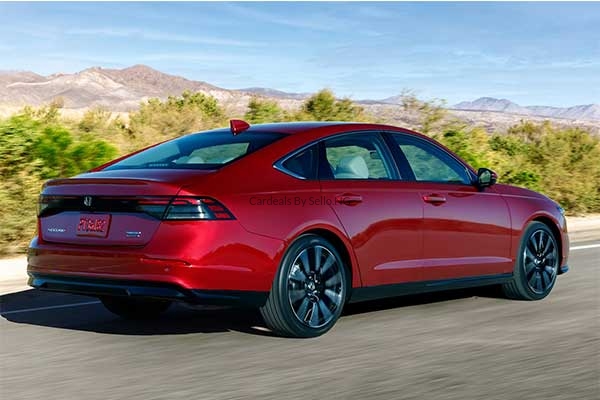
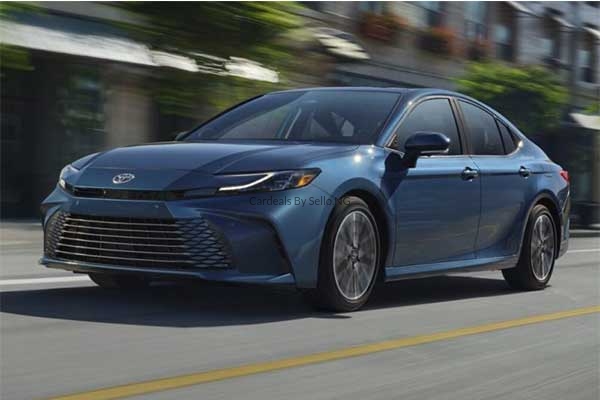
Despite the $51,109 price record, the data is skewed by luxury SUVs and trucks. Budget-conscious buyers can still find affordable, reliable commuter vehicles, as the segment for practical cars continues to grow.

-
Also Read: The AI Boom Is One Of The Reasons GM Now Anticipates A Rise In New Car Prices This Year


Discussion
0 CommentsShare your thoughts — every perspective adds value.