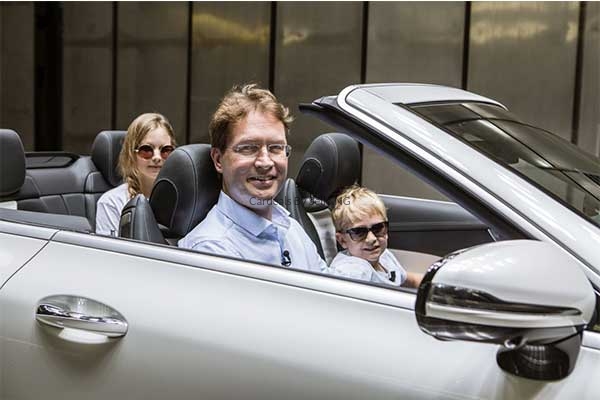
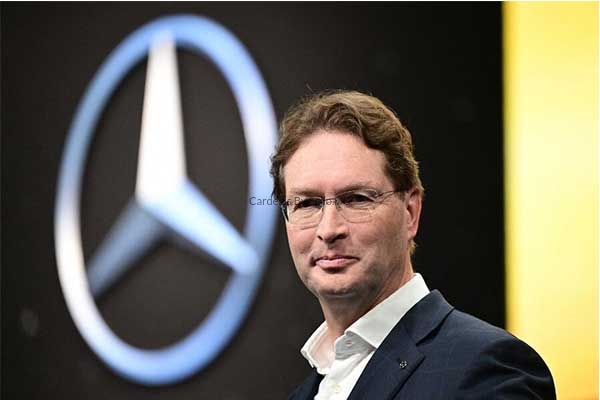
Mercedes-Benz has no plans to abandon internal combustion engines (ICEs) anytime soon. CEO Ola Källenius confirmed that petrol and diesel engines will remain part of the range for a long time, despite the company’s strong focus on developing electric models. Källenius presented the strategy at a round table with journalists in Pune, India.
Källenius explained that diesel engines, gasoline engines developed for the future Euro 7 standards and an ever-widening range of electric vehicles fit into the unique strategy. He described the transition to electric mobility as an industrial transformation that will last 20 to 25 years, not a process that ends in 2030 or 2035. “The internal combustion engine will be with us for at least another ten, probably 15 years,” Källenius said.
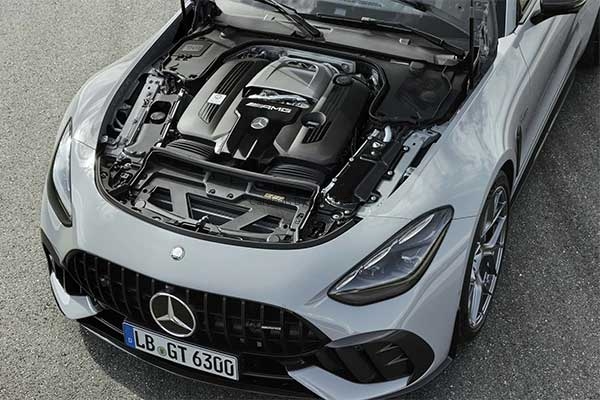
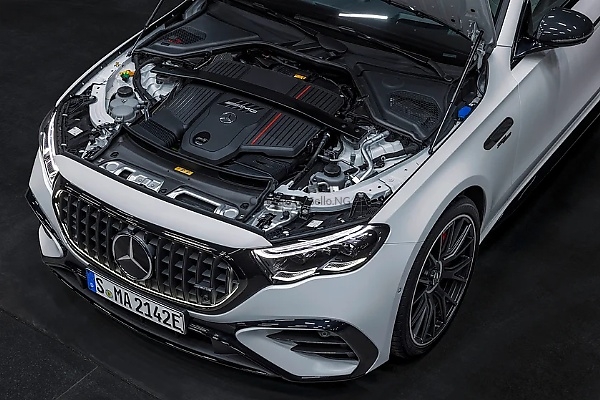
The company is investing in its range of SUS engines ahead of the introduction of the Euro 7 standard. Under development is a range of engines that Mercedes describes as “ready for EU-7”, although they have not yet been officially certified. That includes the latest V8 engine, which remains in production for select luxury models, along with plug-in hybrids and fully electric cars.
“As long as there is a significant demand for high technology, which in our case is electrified internal combustion engines, we will have them on offer,” said Källenius, thus directly linking the survival of those engines to customer demand.
Mercedes-Benz is running a three-year program that includes 40 models, including electric vehicles and conventionally powered vehicles. The plan includes new models arriving in 2026 and 2027, with a mix of petrol, diesel and battery powertrains across the range.
Källenius pointed out that diesel still makes the most sense in light commercial vehicles and larger passenger models. “Our diesel engine portfolio is ready for the future,” he said, adding that the fuel “will remain on offer for the foreseeable future.”
The argument for diesel is strongest among drivers who travel between 60,000 and 70,000 kilometers per year. In that mileage range, the higher efficiency of diesels compared to gasoline or hybrids still pays off. Källenius noted that in India, the lower price of diesel at gas stations gives customers who travel a lot an additional reason to stay loyal to him.
For long-haul drivers and fleet operators, diesel and efficient gasoline engines won’t disappear overnight. Källenius’ forecast suggests that buyers can still plan to buy vehicles with traditional engines and plug-in hybrids for at least one more ownership cycle.
On the other hand, electric vehicles are gaining market share the fastest in areas with a dense network of chargers and a cleaner electricity grid. Lower electricity costs can offset their higher purchase price over several years of use. Where chargers are rare or where highway driving dominates, classic engines remain the more practical choice.
Despite everything, electrification remains a key part of the plan. Mercedes-Benz intends to offer an electric alternative in every important segment by the end of the decade. Källenius expects electric models to take a larger share of the brand’s sales in India as early as next year. The strategy also relies on the existing variety of engines, so Mercedes continues to produce its V12 engine for specific purposes, even as the range of electric vehicles expands.
-
See More: Mercedes-benz GLC Production In The U.S Has Been Delayed Until 2030

Discussion
0 CommentsShare your thoughts — every perspective adds value.