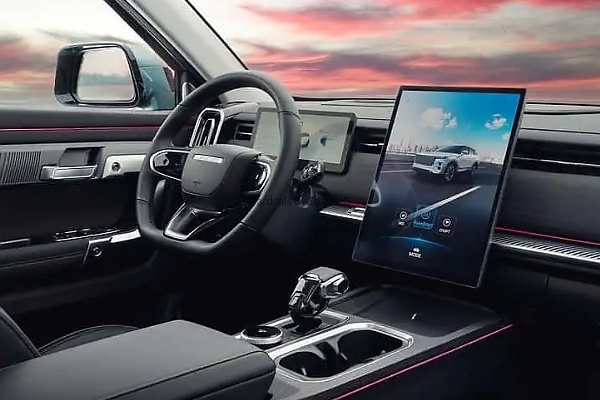
Chinese regulators are cracking down on complex EV tech, including banning pop-out door handles and reviewing the safety of large touchscreens, “zero gravity” seats, and voice-controlled safety features to prioritize physical controls and driver focus.
A recent notice from the Ministry of Industry and Information Technology (MIIT) indicates that a blanket ban on vehicles featuring flexible or folding displays may be implemented. While no current Chinese production vehicles utilize folding displays, the technology—such as the curving screens previewed by local firm BOE—is already available.
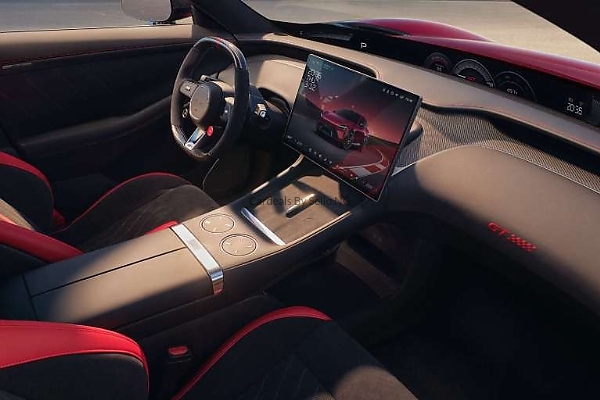
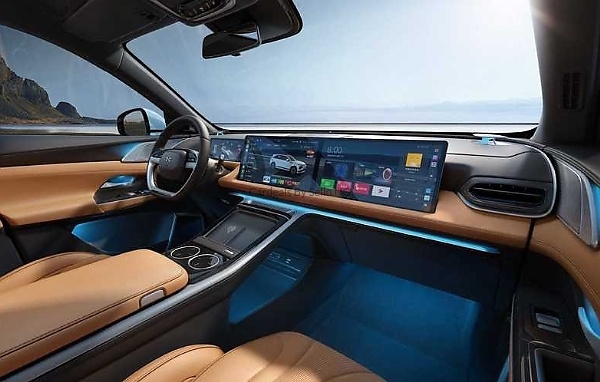
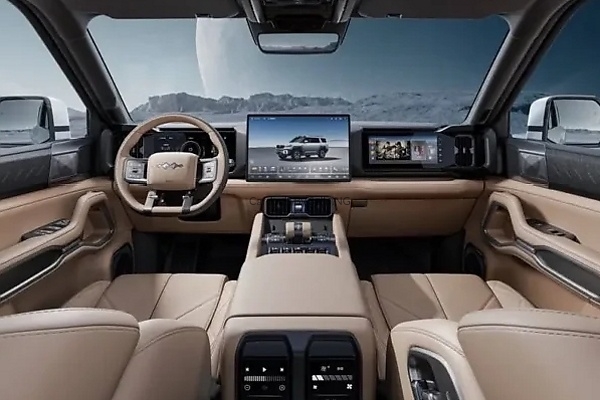
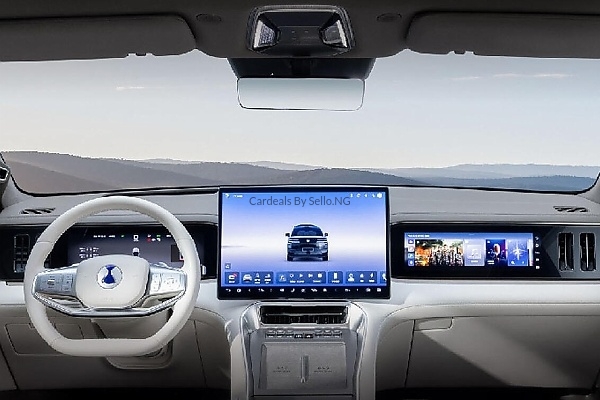
Furthermore, the MIIT proposes that large infotainment systems, secondary displays, and heads-up displays (HUDs) undergo rigorous assessments for driver safety, crashworthiness, and reliability under extreme conditions. Consequently, screens deemed excessively distracting may face prohibition. This regulatory shift poses a significant challenge to local manufacturers, many of whom have increasingly prioritized the integration of large-format screens, particularly for front-seat passengers.
The proposal puts several other common features under the microscope. For example, China may ban ‘zero gravity’ seats while a vehicle is in motion. These seats, which usually recline and have large leg rests, can’t be used by a driver while the vehicle is moving, but nothing often stops a passenger from using them. The notice doesn’t say why investigators are probing these seats, but it’s likely due to safety concerns.
Furthermore, authorities are investigating LED daytime running lights that support customizable user-generated designs. Regulators have also proposed prohibiting the use of voice commands for critical safety functions, including the operation of headlights, as well as the opening of doors and hoods. Should these proposed regulations be enacted, all vehicles manufactured from January 1, 2027, must be fully compliant, while existing models on the market will be required to meet these standards by July 1, 2027. According to reports from CNEVPost, noncompliant vehicles will be subject to mandatory recalls or removal from production.


Discussion
0 CommentsShare your thoughts — every perspective adds value.