
Data privacy is a growing concern, as modern vehicles increasingly incorporate tracking systems that often lack complete opt-out privacy protections.
Numerous lawsuits have been filed against automakers concerning their data collection practices. Beyond immediate privacy concerns, there is the issue of third-party entities purchasing this sensitive information. While this data is typically acquired by insurance firms, a more significant risk remains that such legally obtained information could eventually be compromised or misused by unauthorized parties.
New EU regulations mandate interior-facing driver monitoring systems, sparking public concern over privacy despite existing safeguards.
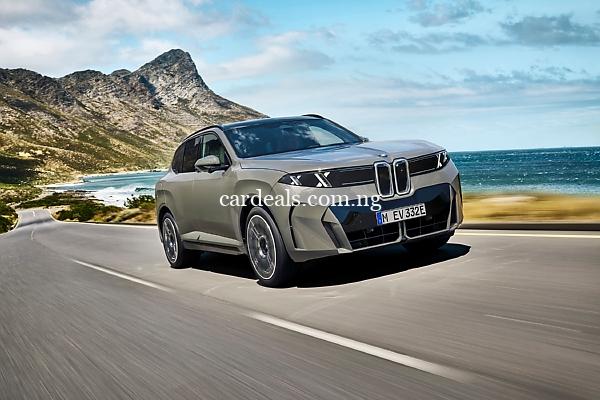
BMW is expanding its data collection initiatives, using real-world traffic images to refine driver assistance systems. This effort aims to make automated functions more intuitive, with improvements delivered via over-the-air updates.
The German automaker clarifies that data collection is limited to development purposes, capturing only relevant metrics during emergency maneuvers or hard braking. To ensure privacy, the company anonymizes VINs and obscures faces and license plates. This system is currently active in select European models (iX3, i3, X5, and 7 Series), with plans for a wider rollout, though a global timeline remains unconfirmed.



-
See Also: BMW X5 To Get A “Range Extender” Option But Not Globally

Discussion
0 CommentsShare your thoughts — every perspective adds value.