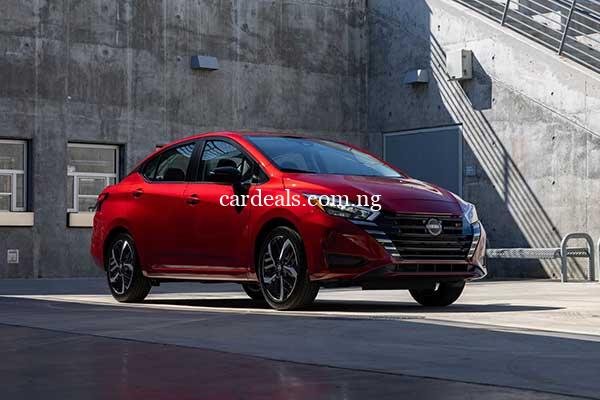
Fuel efficiency in compact hatchbacks can mask serious safety risks. A new IIHS report confirms that in collisions with heavy-duty trucks, the laws of physics consistently put smaller, less expensive vehicles at a significant and often lethal disadvantage.
A recent IIHS report reveals a stark safety divide: compact cars have high driver fatality rates, while massive trucks pose lethal risks to other road users. This data underscores that while vehicle size is critical, driver behavior remains a primary factor in highway safety.
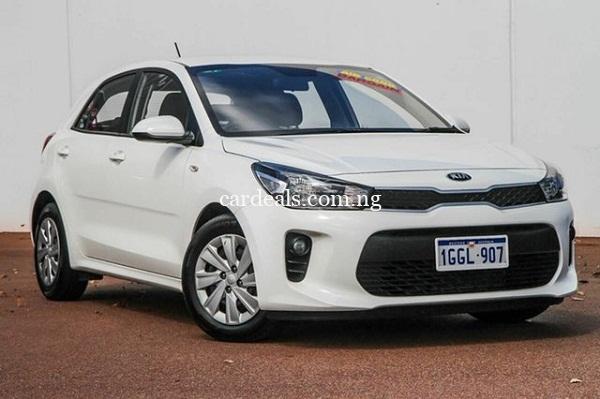
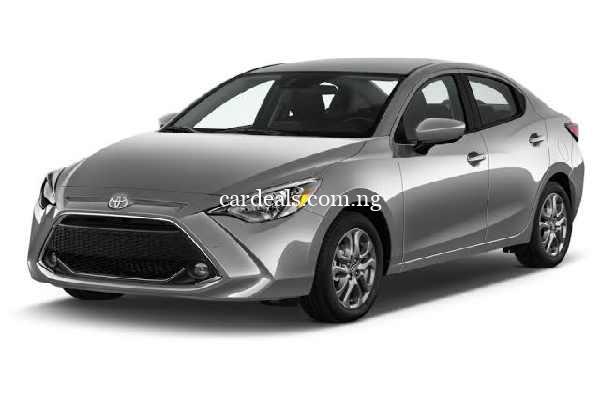
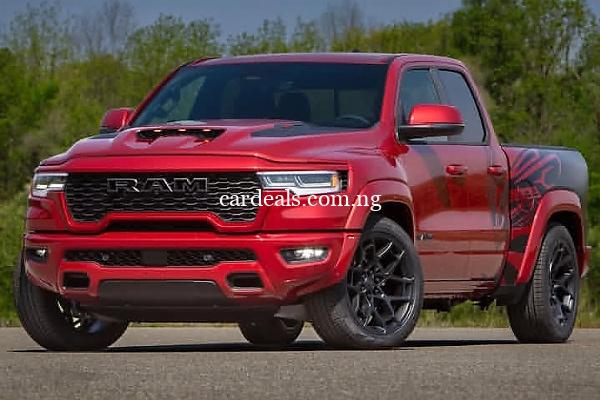
New IIHS data highlights a lethal safety divide: affordable compacts like the Kia Rio, Nissan Versa, and Kia Forte have the highest driver fatality rates, while heavy-duty trucks like the Ram 3500 pose extreme risks to others. With vehicle mass playing a critical role in high-speed collisions, these alarming statistics demand a reevaluation of current traffic safety policies.
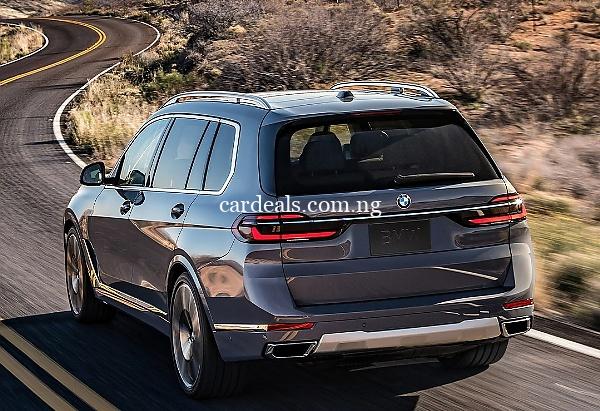
Luxury SUVs like the Audi Q7, BMW X7, and Mercedes-Benz GLB-Class report zero driver fatalities. This disparity shows that while occupants of large, advanced SUVs are well-protected, drivers of smaller or budget vehicles face much higher risks.
IIHS data exposes a fundamental flaw in US road safety: while size disparities between vehicles create mechanical risks, human behaviour—exacerbated by aggressive marketing for high-performance cars—remains the primary danger.
Safety on the road depends on more than vehicle size; driver behavior is the critical factor. Distracted driving exacerbates risks from vehicle mass disparities. Until we address both our obsession with oversized vehicles and poor driving habits, our roads will remain dangerous.

-
Read More: Cars Older Than 50 Years Consume Less Fuel Than Modern Vehicles


Discussion
0 CommentsShare your thoughts — every perspective adds value.