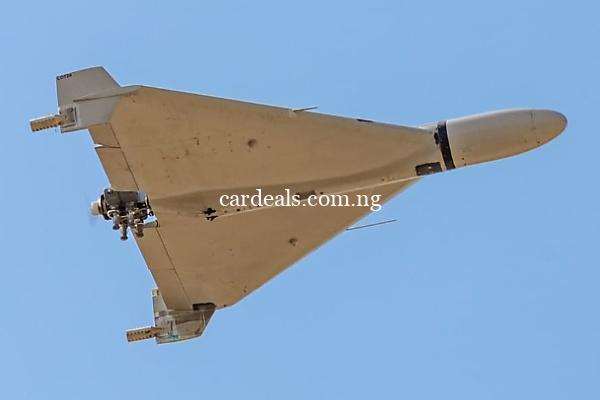
U.S using $4 million interceptor to stop Iran’s $50k attack drone, likened To using Lamborghini to stop a bicycle.
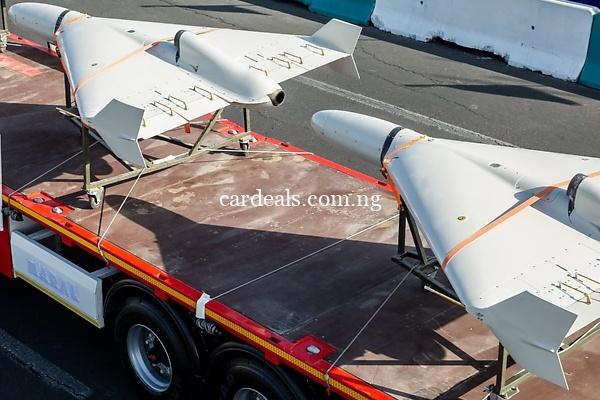
Price between $30,000 and $50k, the Shahed-136 one-way attack drones has a seven-foot wingspan.
It has a cruise speed of 120 mph, carries a 90-pound warhead – enough to damage a skyscraper – and a range of 1,250 miles (2,000km).
Its been over a week since the United States and Israel launched a military campaign against Iran, with U.S. President Donald Trump claiming the strikes were needed to prevent the country from developing a nuclear weapon.
In its reprisal attack, Iran launched a barrage of retaliatory missiles aimed at Israel and U.S bases across the region, with the ongoing Iran–United States crises claiming thousands of casualties on both sides.
But one of the most talked about munitions used during the ongoing crises is the Iranian-made Shahed-136 drones, which have been used to successfully to hit buildings in Israel as well as U.S. embassy and radar system.
Price between $30,000 and $50k, the Shahed-136 has a seven-foot wingspan. The Shahed-136 one-way attack drones has a cruise speed of 120 mph, carries a 90-pound warhead – enough to damage a skyscraper – and a range of 1,250 miles (2,000km).
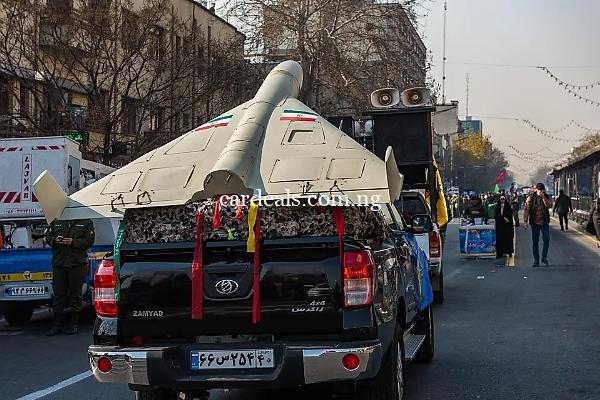
A pickup truck carrying a Shahed-136 drone during a parade in Tehran in 2025. Photographer: Hossein Beris/AFP/Getty Images
To stop one of these drones, the U.S uses an interceptor priced between $500K–$4M (depending on the type deployed), which cost 10-80 times more than their targets – with one expert likening the expensive tactics to using a Lamborghini to stop a bicycle.
While 90% of the hundreds of Shahed drones launched towards the Gulf States were successfully intercepted, the few that got through have left devastating effects on their targets, including a U.S radar system worth $1 billion.
-
See Also : JLR Deploys Drone-based Inspection Pilot, Cuts 4‑Hour Process To Just 10 Minutes


Discussion
0 CommentsShare your thoughts — every perspective adds value.