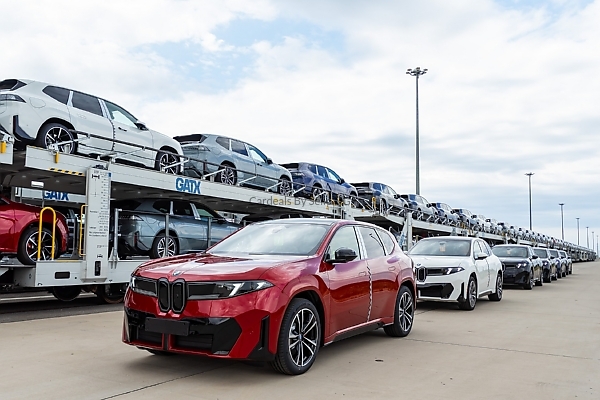
Initially, BMW took a conservative, cost-effective approach to EVs by adapting combustion platforms, though this often led to compromises in their vehicle designs.
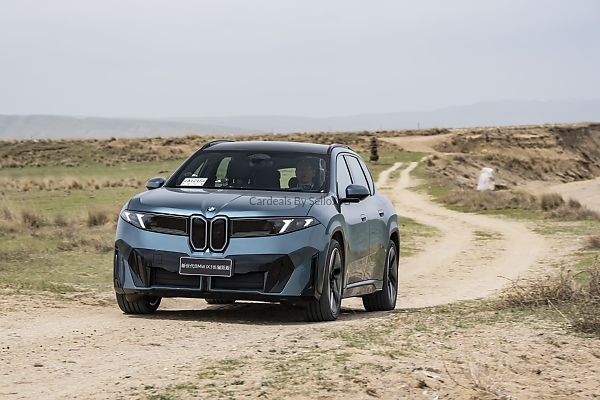
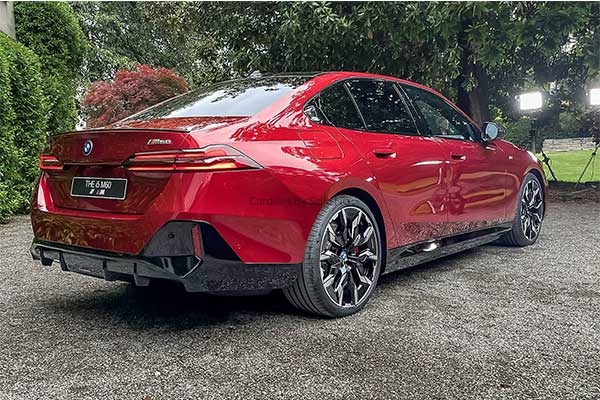
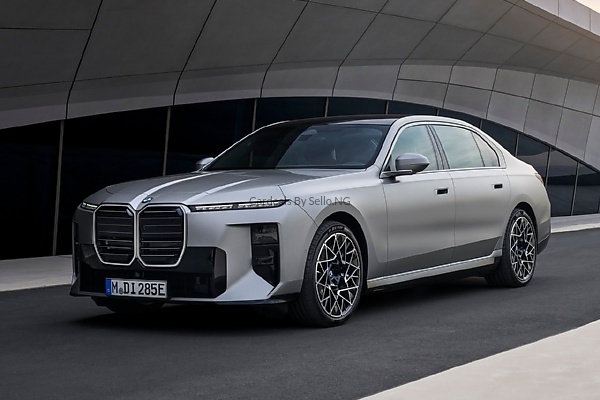
Following the iX3, the first of many Neue Klasse models, BMW introduced the i3 and iX4 on the same dedicated EV platform, with the i1 and iX1 soon to follow. These complement the multi-powertrain lineups of the 5 Series, 7 Series, X5, and upcoming X7. The Neue Klasse platform is a proven success; the iX3 is a hit, and high demand for the i3 has forced early reservation openings. Consequently, BMW expects a faster return on investment as wider platform use lowers costs.
Due to overwhelming demand for its Neue Klasse EVs, BMW is accelerating production timelines and prioritizing earlier releases to maintain its competitive edge over rivals like Audi and Mercedes. BMW’s production chief Raymond Wittmann confirmed that targets are being exceeded, leading to a faster ramp-up at key locations. Additionally, the automaker has optimized its “local for local” battery supply chain to lower costs, reduce lead times, and ensure supply security as it prepares to phase out older Gen5 models in favor of more advanced Gen6 technology.
High demand for BMW’s EVs allows the company to phase out Gen5 battery models early to accelerate the rollout of Gen6 vehicles. By leveraging economies of scale and advanced manufacturing, BMW is meeting rising demand while maintaining a flexible, diversified strategy that includes refining plug-in hybrids and combustion engines to suit varied global markets.
-
Also See: BMW Reconsidering Bringing Back “Physical Buttons”

Discussion
0 CommentsShare your thoughts — every perspective adds value.