Buying a new car almost always means a big loss in value over the first few years. But for some models, the decline is so dramatic that after just three years they are worth less than a third of their original price. A new British study has also revealed a particularly worrying trend for electric car buyers. Of the ten models that lose value the fastest, nine are electric, and the situation is not much better when looking at the twenty biggest losers.
The British Auto Express analyzed data from CDL Vehicle Information Services, comparing the average price of new cars with their estimated value after three years and 36,000 miles. The results are devastating, with all ten worst-performing models losing between 69 and 72.7 percent of their value.
By comparison, the average car on the British market loses around 45 percent of its value in the first three years. This means that the models at the top of this infamous ladder are a significantly worse investment than the average.
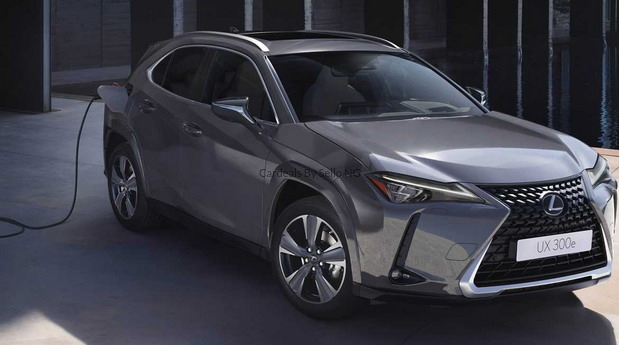
The biggest loser is the Lexus UX 300e, the Japanese manufacturer’s first all-electric model. Its average new price was £51,145, and after three years the estimated resale value drops to just £13,950. That’s a loss of a whopping 72.7 percent.
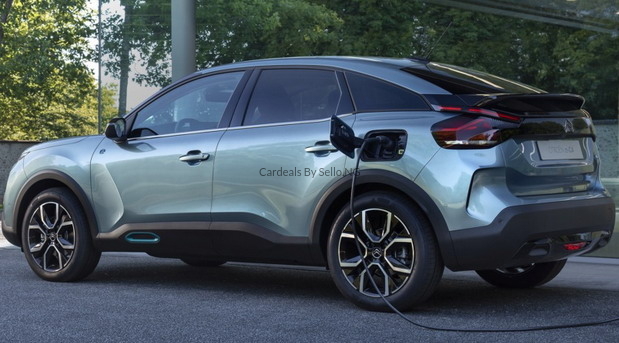
In second place is the Citroën ë-C4, which has lost 72.3 percent of its value. A car that cost an average of £32,895 when new is worth just £9,125 after three years. In third place is the electric Opel Astra, sold in Britain under the Vauxhall brand. Its value has fallen by 72 percent, from an average of £37,250 to £10,425.
Fourth place is taken by the electric Opel/Vauxhall Corsa with a loss of 71.6 percent. From the initial 32,635 pounds, only 9275 pounds remain after three years. Fifth place is particularly interesting because it is the only car with a conventional engine in the top ten. The Audi A8 loses as much as 70.7 percent of its value, which shows that extreme depreciation is not reserved only for electric cars.
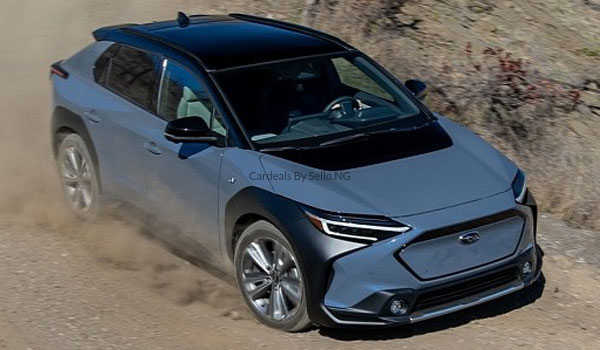
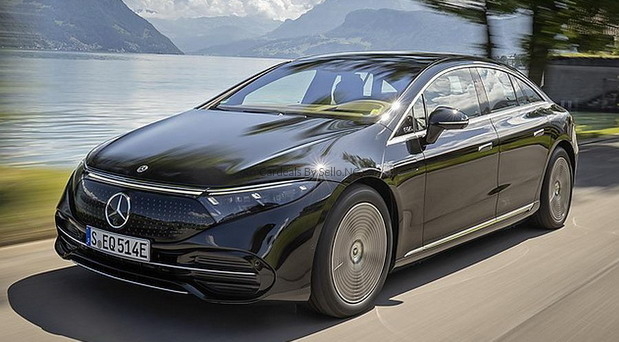
In sixth place is the Subaru Solterra with a 70.3 percent drop, followed by the Fiat 500e, which loses 69.8 percent. The remaining three places are occupied by luxury electric models. The Audi e-tron GT loses 69.3 percent, while the Mercedes EQS and EQE each lose approximately 69 percent of their initial value over three years.
This is particularly painful for expensive models. The Mercedes EQS, which had an average new price of £104,540 in Britain, is worth just £32,375 after three years. That’s a loss of more than £72,000, or around €86,000.
The main reasons for such a sharp decline in the value of electric vehicles are the increasing supply of new models, rapid technological advances and the large discounts that manufacturers grant on new vehicles. When a new car becomes cheaper, the prices of used cars have to adjust. However, there is another side to the situation. Some used electric cars in Britain have started to gain value again in recent months, with some three-year-old models increasing in price by as much as 28 percent in six months.
It’s important to note that the research is based on UK prices and estimated resale values, so the results may not be directly applicable to us. But the message is clear — buying a new electric car can be very expensive if the owner intends to sell it after just a few years. On the other hand, for second-hand buyers, such cars can represent a great opportunity.
-
See Also: The AI Boom Is One Of The Reasons GM Now Anticipates A Rise In New Car Prices This Year

Discussion
0 CommentsShare your thoughts — every perspective adds value.