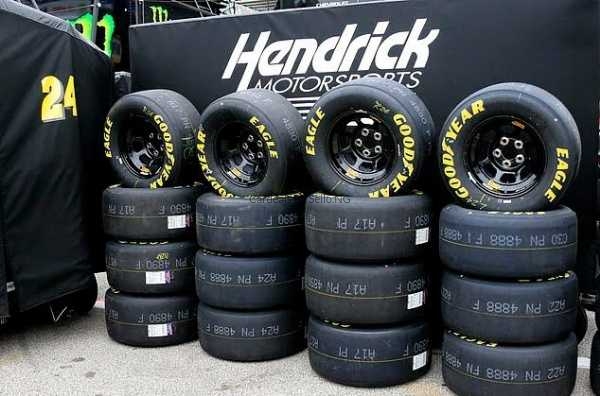
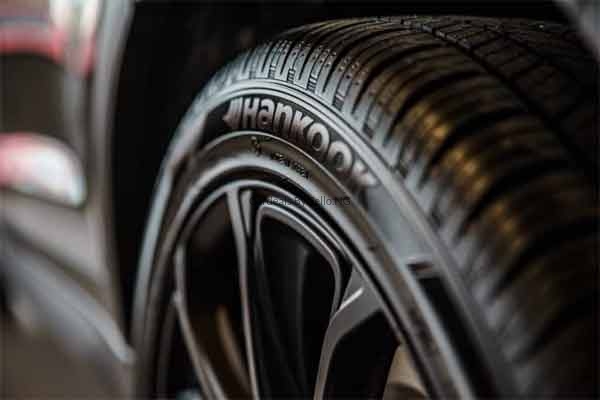
While common advice suggests replacing tires older than five years regardless of use, you can easily verify their age by checking the four-digit date code on the sidewall.
While the five-year rule is a helpful benchmark, it isn’t a strict expiration date. Modern tires can often exceed five years, but they require regular, diligent inspection once they pass that age. When buying new tires, always check the manufacture date to ensure you aren’t purchasing older stock; aim for tires produced within the last few months to maximize their service life.
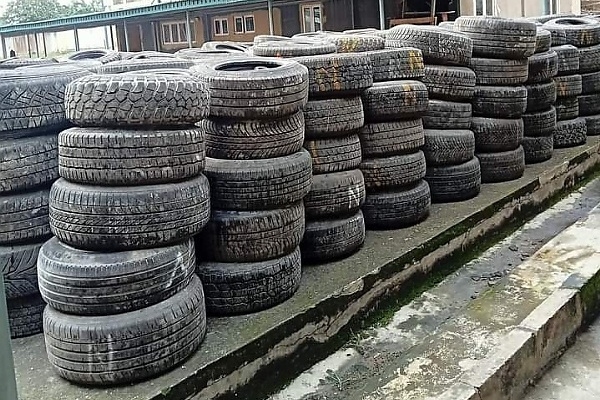
Purchasing tires made in late 2025 means losing a year of service life before installation. While retailers often discount older stock, it is important to be aware that rubber naturally degrades over time. Microscopic cracks eventually form on the sidewalls, compromising structural integrity and increasing blowout risk. If visible cracking appears, replace the tires immediately.
Tires naturally age through thermo-oxidative degradation, where oxygen breaks down rubber compounds over time. This process is accelerated by high temperatures, intense sunlight, and improper inflation, which generates excessive heat. Additional environmental stressors like ozone, UV exposure, and salt from coastal air or road de-icing further compromise structural integrity. Even unused tires—including spares stored in trunks or exposed externally—require regular inspection, as these factors degrade rubber regardless of mileage.
Michelin recommends annual inspections after five years and biannual checks from six to eight years. Replacement is advised by eight to 10 years and is mandatory at 10. Technicians inspect sidewalls, treads, and shoulders for damage. While high-mileage drivers reach wear limits quickly, proactive replacement is essential for low-mileage vehicles.


-
See More: JLR Introduces Industry First P Zero Tyres For Range Rover Made From Rice Husks, Recycled Steel And Plant‑based Resins


Discussion
0 CommentsShare your thoughts — every perspective adds value.