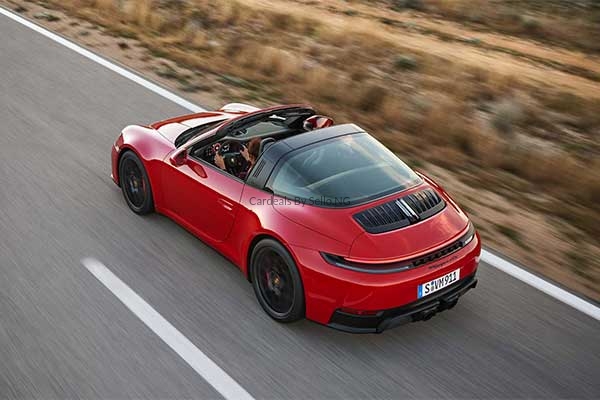
While engineers are trying to give electric cars as much range as possible, the European Union is planning to limit the capacity of gasoline tanks precisely to reduce it. For now, the target is plug-in hybrid vehicles, but this plan will, however, be difficult to meet with the approval of drivers.
In recent years, common sense would suggest that EU leaders have been acting like stepmothers towards the European auto industry. Otherwise, it is hard to understand their need to continue to burden the industry across the continent with ever-increasing regulations. If this continues at this pace, it will gradually lead to its demise.
In recent years, under the pretext of increasing traffic safety, manufacturers have been forced to significantly increase the number of safety systems they offer in their cars.
This may be less of a problem for mid-range cars, especially large vehicles with higher profit margins. However, for small cars, it has had devastating consequences. Many models have disappeared from the market, while others have seen their prices rise so much that buyers no longer consider them an affordable option.
But brace yourself, because the latest idea from the European Union is truly incredible. Spain’s El Debate reports that the European Union is considering the possibility of regulating fuel tank capacity with a new regulation. This comes at a time when the goal is to increase the autonomy of electric cars as much as possible, while for vehicles that are not purely electric, the opposite approach is being considered.
According to the article, the new regulations are primarily designed for plug-in hybrids, i.e., cars that have the ability to charge their batteries via an external source of electricity.
These models have been under scrutiny for years for the way their fuel economy is certified or officially determined. Now the aim is to reduce the capacity of their gas tanks, supposedly to force buyers to charge their cars’ batteries more often. However, we doubt that this measure will actually achieve the desired goal.
The problem is that regulating tank capacity or introducing a maximum allowed capacity could affect other types of vehicles, not just plug-in hybrids. This would also include standard cars that have large tanks.
-
Read More: Agreement On The Future Of The European Automotive Industry

Discussion
0 CommentsShare your thoughts — every perspective adds value.