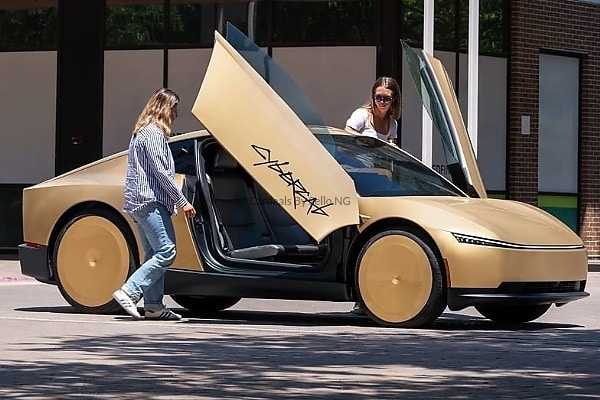
Elon Musk aims to reach 5 million annual Tesla vehicle sales by 2030, driven largely by Full Self-Driving software. After sales fell to 1.6 million last year, meeting this ambitious target will require a significant production increase to overcome current market hurdles.
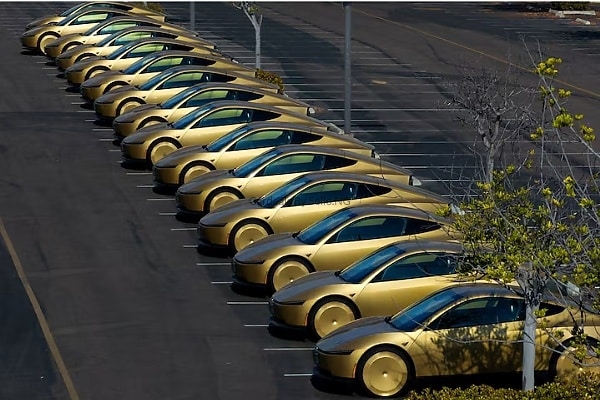
Legacy automotive manufacturers are proactively developing competitive technologies to challenge Tesla’s dominance in the software sector. Major companies, including BMW and Mercedes-Benz, are aggressively advancing their own proprietary autonomous systems for the mainstream consumer market. Given that Tesla’s current global production capacity stands at approximately 2.5 million units across its facilities in California, Texas, China, and Germany, achieving a 5-million-unit annual target presents a significant logistical challenge in the absence of additional vehicle assembly plants.
Tesla reports over 1.7 million global FSD subscribers, with 75% of North American buyers opting for the $99 monthly plan, though retention rates remain undisclosed. Amidst growing refund demands from early adopters for unfulfilled features, the company is pivoting toward the Cybercab and Optimus robot to anchor its future value. As consumer demand shifts toward practical, affordable EVs over expensive software packages, Tesla faces pressure to balance its robotics investments with the realities of a competitive automotive market.
Despite reporting a substantial vehicle order backlog in the third quarter, Tesla experienced a 43% decline in corporate net income, which fell to $787 million. Stagnant revenue and diminishing profits underscore the significant financial burden associated with funding experimental robotics initiatives. Concurrently, competitors are successfully capturing market share, with Hyundai reporting a notable increase in sales as traditional automotive manufacturers introduce compelling electric vehicle lineups tailored to evolving consumer preferences.
Tesla is currently navigating a strategic transition from a conventional automaker to an artificial intelligence and robotics enterprise; however, the firm remains fundamentally dependent on consumer vehicle sales for its continued viability. By centering its long-term growth strategy on software subscriptions and geofenced robotaxis, Tesla is undertaking a considerable financial risk. To justify its ambitious production forecasts, the company must demonstrate that these autonomous fleets can achieve sustainable profitability.


-
Also Read: Croatia Approves Tesla’s Self-Driving System


Discussion
0 CommentsShare your thoughts — every perspective adds value.