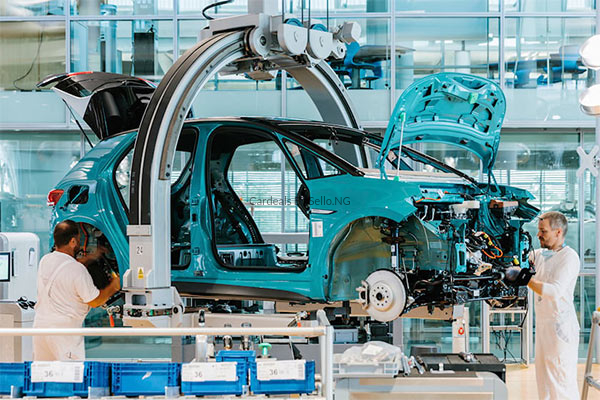
Volkswagen’s internal struggles are intensifying as the board rejects CEO Oliver Blume’s plan for 100,000 job cuts. Facing geopolitical pressure and stiff Chinese competition, the company is now pursuing alternative cost-saving measures, including potential long-term wage freezes, amid fierce opposition from labor unions.
After failing to secure broad layoffs, Volkswagen has shifted its cost-cutting strategy toward a proposed wage freeze for over 660,000 global employees through 2030. According to the IG Metall union, this move—which eliminates raises and inflation adjustments—aims to offset a 1 billion euro shortfall, though the union warns it will reduce workforce purchasing power by at least 10% and fails to address the company’s deeper structural issues.
Volkswagen’s labor leadership dismissed the 8–10% return targets as fantasy. The union is demanding a 5% raise, arguing that management’s focus on workforce concessions ignores deeper structural and product failures.
The German carmaker’s crisis reflects the struggles of a legacy automaker failing to adapt to the EV shift. Trapped by high costs and intense competition, the firm’s proposed wage freezes offer only a temporary fix. To survive, Volkswagen must pivot to more competitive, high-quality production before facing potential acquisition by rivals like BYD.
-
Read More: Volkswagen Plans To Reduce The Number Of Jobs In Management By 25 Percent


Discussion
0 CommentsShare your thoughts — every perspective adds value.